Understanding Coronary Artery Disease
What happens when the arteries that feed your heart narrow — the warning signs, and the treatments available today.
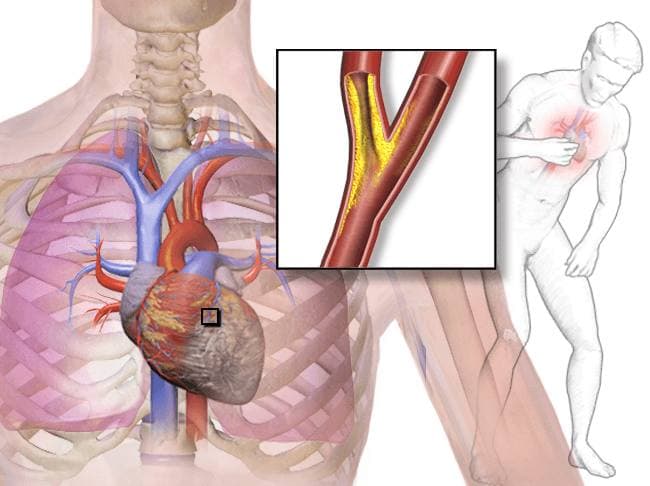
Your heart is a muscle, and like every muscle it needs its own blood supply. The coronary arteries wrap around the heart and feed it with oxygen. Coronary artery disease (CAD) develops when fatty deposits called plaque build up inside these arteries and narrow them.
Warning signs you should never ignore
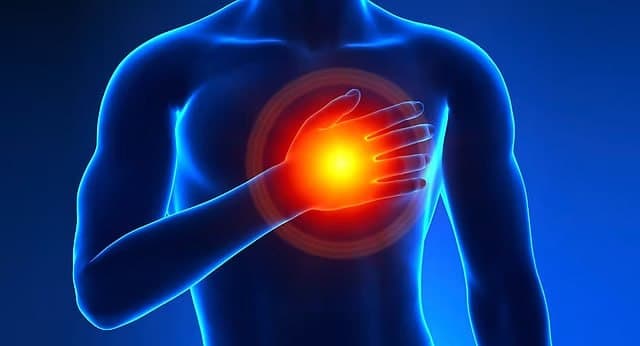
Chest pressure or pain that comes with effort and eases with rest is the classic sign, called angina. Pain spreading to the left arm, jaw or back, shortness of breath, cold sweats and sudden unusual fatigue are also warning signs. If pain is severe, lasts more than a few minutes or comes at rest — call emergency services immediately: that may be a heart attack.
How is it diagnosed?
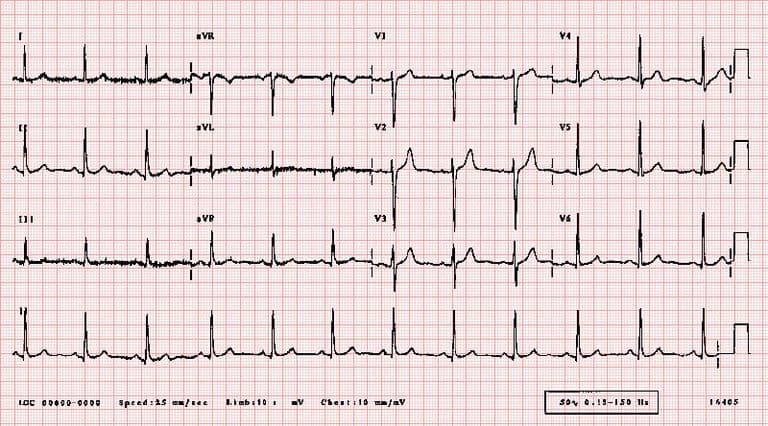
After listening to your story, your cardiologist may order an ECG, blood tests, an echocardiogram, a stress test or a coronary CT angiogram. The definitive test is coronary angiography — a thin tube inserted from the wrist that photographs the arteries from inside.
Treatments available today
Treatment starts with medication and lifestyle change. Many narrowings can be opened with a balloon and stent through the wrist (PCI) — you usually go home the next day. When the disease is extensive, bypass surgery (CABG) gives the most durable result. Our Heart Team reviews every complex case together to recommend the option that is safest for you.