Understanding Angina: Causes, Symptoms, and Treatment
Angina is chest pain or discomfort caused by reduced blood flow to the heart muscle. It is a warning sign of possible coronary heart disease and should never be ignored.
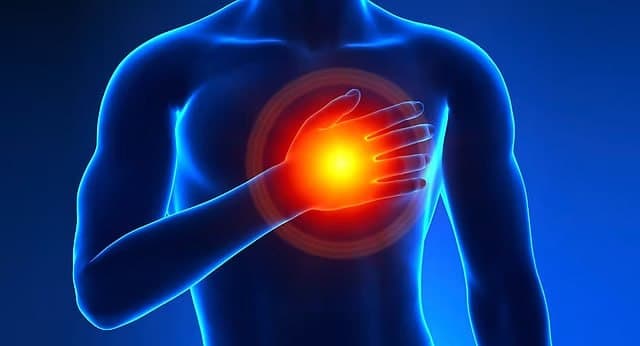
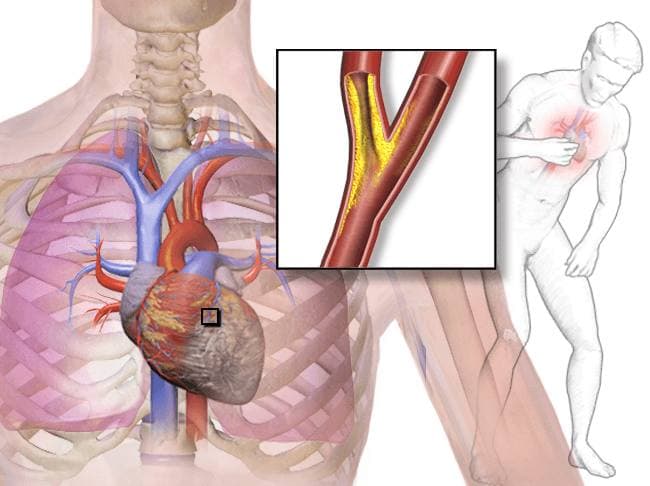
Angina is a type of chest pain or discomfort that happens when your heart muscle does not receive enough oxygen-rich blood. It is not a disease by itself, but rather a symptom that signals an underlying issue — most commonly coronary heart disease, where the arteries supplying the heart become narrowed by fatty deposits called plaque. While angina is not immediately life-threatening, it is an important warning that your heart needs attention and medical evaluation.
There are several types of angina, and recognizing the differences can help you take the right action. Stable angina, the most common form, follows a predictable pattern: it flares up during physical exertion or emotional stress and eases within a few minutes of rest or medication. Unstable angina is more dangerous — it can appear suddenly, even at rest, and may not improve with rest or medicine. If you experience this, you should seek emergency medical care right away. Vasospastic angina results from a sudden tightening of the coronary arteries, often occurring during sleep. Microvascular angina affects the smallest blood vessels of the heart and is more frequently diagnosed in women.
Symptoms of angina vary from person to person. The classic feeling is a pressure, tightness, heaviness, or squeezing sensation in the center of the chest. The discomfort may spread to the shoulders, arms (especially the left arm), neck, jaw, back, or stomach. Other symptoms can include unusual fatigue, dizziness, sweating, nausea, and shortness of breath. Women are more likely than men to experience these less typical symptoms, and they also have a higher rate of microvascular angina. Knowing the full range of possible symptoms helps you seek the right care sooner.
The root cause of angina is almost always coronary heart disease. Plaque buildup inside the coronary arteries restricts the flow of blood and oxygen to the heart muscle. Everyday triggers that can bring on an angina episode include physical activity, emotional stress, cold weather, and eating a heavy meal. It is worth noting that chest pain from anxiety or a panic attack feels real but is not angina, because it does not arise from restricted blood flow to the heart.
Several risk factors increase your likelihood of developing angina. These include smoking, high blood pressure, high cholesterol, diabetes, obesity, a sedentary lifestyle, chronic stress, and older age — over 45 for men and over 55 for women. A family history of heart disease also raises your risk. Although angina itself is not a hereditary condition detectable by genetic testing, having close relatives with heart disease means you should be especially mindful of prevention.
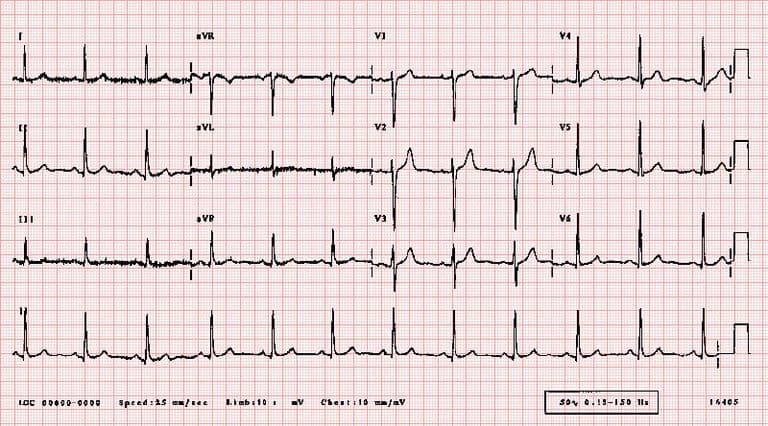
Doctors diagnose angina by reviewing your symptoms, conducting a physical exam, and ordering tests such as an electrocardiogram (ECG), a coronary angiogram, or heart imaging scans. Treatment typically begins with medications: nitrate sprays, patches, or tablets provide quick symptom relief, while other drugs help lower the long-term risk of heart attack and stroke. For some patients, a coronary angioplasty with a stent — a small mesh tube that keeps the artery open — or coronary artery bypass surgery may be the best path to restoring healthy blood flow.
Lifestyle changes are a cornerstone of managing angina and preventing it from getting worse. Quitting smoking, controlling blood pressure and cholesterol, eating a heart-healthy diet low in saturated fats, maintaining a healthy weight, staying active within your personal limits, managing stress through practices like meditation or yoga, and keeping blood sugar well controlled if you have diabetes can all make a meaningful difference. With the right combination of medical treatment and healthy daily habits, most people living with angina can continue to lead full, active lives.