Understanding Angina: Chest Pain, Warning Signs, and What You Should Know
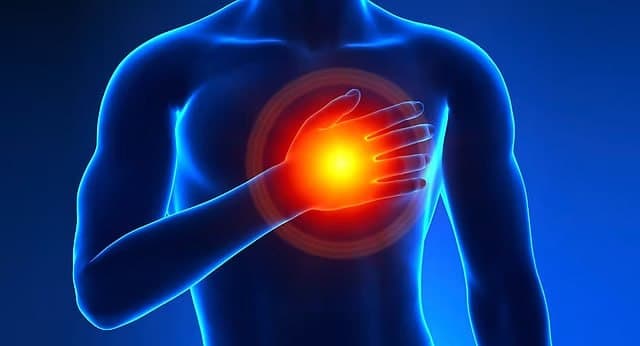
Angina is chest pain or discomfort caused by reduced blood flow to the heart. It can be a warning sign of a heart attack and should never be ignored.
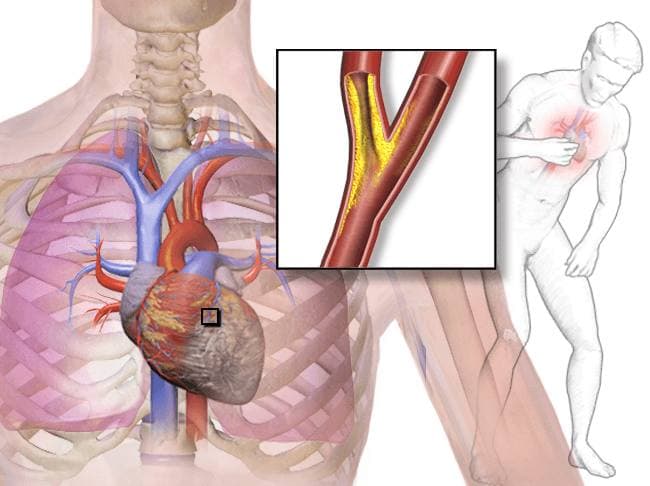
Angina, also known as angina pectoris, is not a disease itself but a symptom — a signal from your heart that it is not receiving enough oxygen-rich blood. This happens when the arteries that supply the heart become narrowed or blocked, most often due to a condition called coronary artery disease. The discomfort can feel like pressure, tightness, squeezing, heaviness, or even a burning sensation in the chest. Some people mistake it for heartburn or indigestion. Importantly, angina can appear days or even weeks before a heart attack, making it a critical warning sign that deserves prompt medical attention.
There are four main types of angina, and knowing the differences can help you understand what your body is telling you. Stable angina follows a predictable pattern — it usually comes on during physical activity or emotional stress and goes away within a few minutes of rest or medication. Unstable angina is more dangerous; it can occur without warning, even at rest, and may last longer than 15 minutes without responding to rest or medicine. Microvascular angina tends to last longer than stable angina and occurs with exertion or stress, while Prinzmetal angina, also called variant angina, typically happens during sleep or rest due to a temporary spasm in the heart's arteries.
Angina does not always feel like sharp pain. Many people describe a vague discomfort, tightness, or a sensation of weight on the chest. The feeling may spread beyond the chest to the jaw, teeth, shoulders, arms, or back. You might also experience sweating, dizziness, nausea, shortness of breath, unusual fatigue, or a sense of anxiety that something is seriously wrong. Healthcare providers sometimes grade angina on a scale from one to four — from mild symptoms that only appear during intense exertion to severe symptoms that can occur even while resting.
The most common underlying cause of angina is coronary artery disease, where fatty deposits called plaque build up inside the arteries and restrict blood flow. However, other conditions can also trigger angina. Coronary microvascular disease affects the tiny blood vessels in the heart, while coronary artery spasms cause the arteries to tighten suddenly and then relax. These conditions may exist with or without visible blockages in the main coronary arteries.
Several factors increase your likelihood of developing angina. Age plays a role — men over 45 and women over 55 are at higher risk. Traditional risk factors for heart disease, such as high blood pressure, high cholesterol, smoking, diabetes, obesity, and a family history of heart disease, also raise your chances. Other contributors include severe anemia, heart valve disease, heart failure, and exposure to tobacco smoke or recreational drugs. The more risk factors you have, the more important it becomes to work with your doctor on a prevention plan.
Treating angina involves two goals: relieving symptoms when they occur and addressing the root cause. Your doctor may prescribe nitroglycerin to stop an episode quickly — this medication relaxes the blood vessels and improves blood flow to the heart. For long-term management, beta-blockers, calcium channel blockers, or long-acting nitrates may be used. In some cases, a procedure such as angioplasty with a stent or coronary artery bypass surgery may be needed to open or reroute blocked arteries. Lifestyle changes are equally powerful: adopting a heart-healthy diet, staying physically active within safe limits, quitting smoking, and managing stress can significantly reduce angina episodes and slow disease progression.
Chest pain should never be taken lightly. If you experience new, worsening, or unexplained chest discomfort, seek medical help immediately. Call emergency services if you have symptoms of a heart attack — such as crushing chest pressure, profuse sweating, nausea, or shortness of breath — or if your usual stable angina suddenly becomes more frequent, more severe, or does not go away with rest. Angina is your heart's way of telling you something is wrong. Listening to that signal and acting quickly can save your life.