Understanding Abnormal Heart Rhythms (Arrhythmias)
An arrhythmia is a problem with the rate or rhythm of your heartbeat. Most arrhythmias are harmless, but some can be serious and need medical attention.
Your heart has its own electrical system that keeps it beating at a steady, regular pace. When this system works properly, organized electrical signals travel through the heart, triggering each contraction and pumping blood to the rest of your body. An arrhythmia occurs when these signals are disrupted, causing your heart to beat too fast, too slowly, or in an irregular and unpredictable pattern.
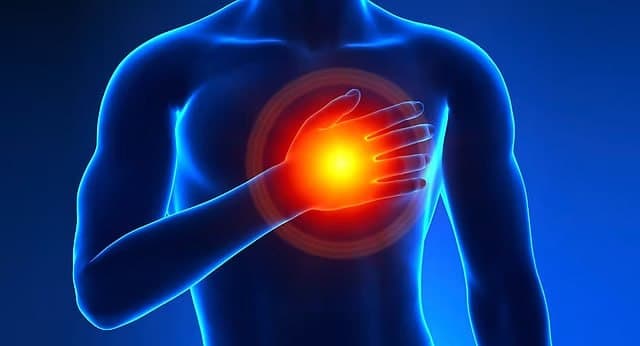
The most common symptom people notice is palpitations — a fluttering, pounding, or racing sensation in the chest. Other symptoms can include feeling dizzy or lightheaded, shortness of breath, discomfort in the chest, or unusual tiredness. Some people may feel as though they are about to faint or black out. The specific symptoms you experience will depend on which type of arrhythmia you have and how it affects your heart's ability to pump blood effectively.
There are several different types of arrhythmias. Atrial fibrillation (AF) is very common and causes an irregular, often rapid heartbeat. Supraventricular tachycardia (SVT) produces sudden episodes of a very fast heart rate. Atrial flutter makes the upper chambers of the heart contract extremely fast, sometimes at rates far above normal. Other types include tachybrady syndrome (sick sinus syndrome), where the heart alternates between beating too fast and too slow, and heart blocks, which slow the heart rate because of a delay or interruption in the electrical pathway between the upper and lower chambers.
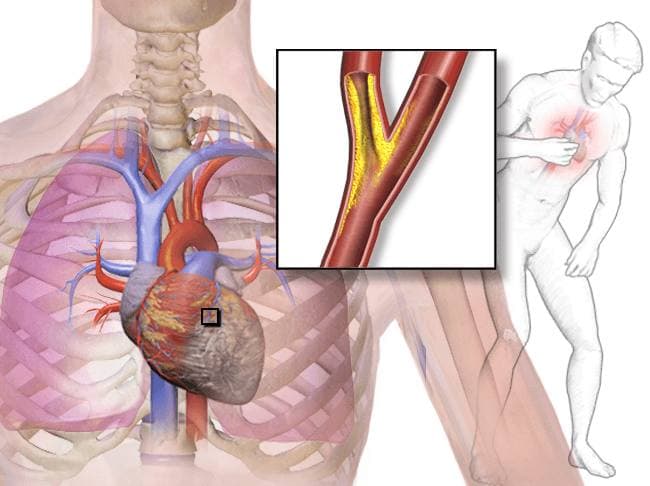
Arrhythmias can have many underlying causes. Heart conditions such as coronary heart disease, heart failure, cardiomyopathy, or a previous heart attack can damage or disrupt the heart's electrical system. Some people inherit genetic conditions that affect heart rhythm, including Long QT syndrome, Brugada syndrome, and others. Everyday triggers can also play a role — viral illnesses, excessive alcohol or caffeine, smoking, recreational drugs, and even certain prescribed or over-the-counter medications may set off an irregular heartbeat in susceptible individuals.
If you experience palpitations together with chest pain, difficulty breathing, or feel like you are about to faint, you should call emergency services without delay. For palpitations that last a long time, get progressively worse, or simply worry you — especially if you have a personal history of heart problems — it is wise to make an appointment with your GP and discuss your concerns.
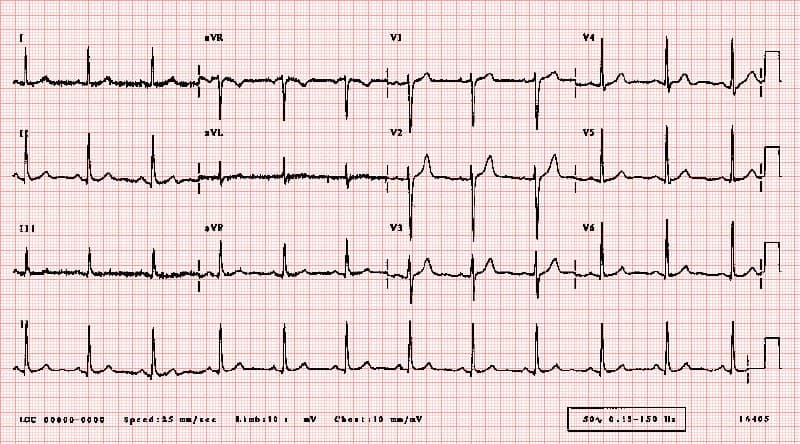
Doctors diagnose arrhythmias using a range of tests. An electrocardiogram (ECG) records your heart's electrical activity and is often the first step. You may be asked to wear a portable ECG monitor for 24 hours or longer to capture intermittent rhythm changes. An echocardiogram uses ultrasound to look at your heart's structure and function, and in certain cases, an electrophysiological (EP) study may be performed to map the electrical pathways inside the heart in fine detail.
Treatment depends on the type and severity of your arrhythmia. Options include medications to control heart rate or rhythm, cardioversion — a procedure that resets the heart back to a normal rhythm, catheter ablation — which precisely targets and eliminates the tissue causing the abnormal signals, and implantable devices such as pacemakers or implantable cardioverter defibrillators (ICDs). Most people living with an arrhythmia can lead full, active lives once the right treatment plan is in place. It is equally important to manage stress, address anxiety, and reach out for emotional support from loved ones or healthcare professionals whenever you need it.